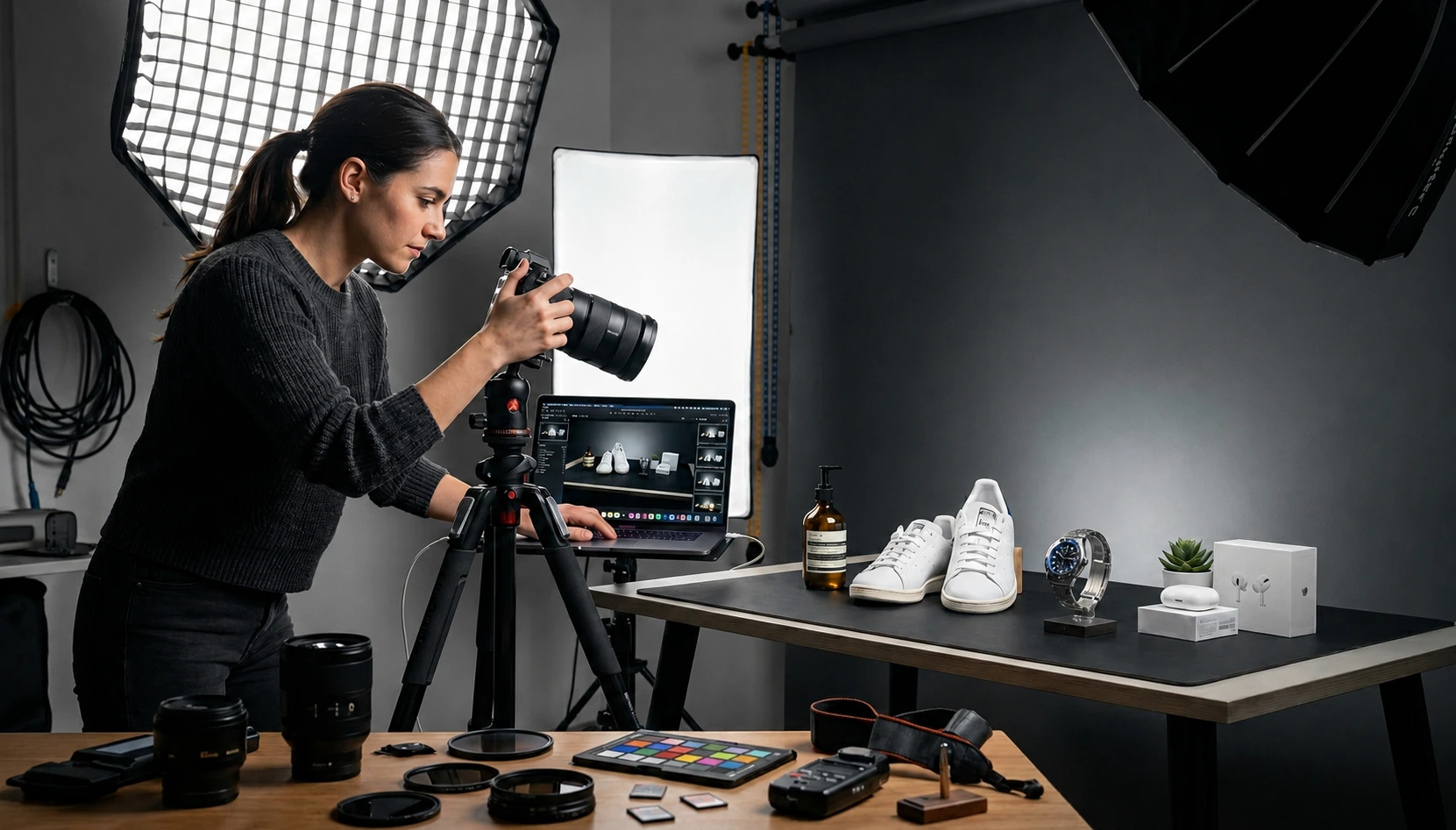
Different products require photographic approaches matching their distinctive characteristics carefully. A product photographer should assess material, scale, function, and audience. Glossy products need controlled lighting to prevent distracting reflections during shooting. Matte surfaces benefit from softer illumination revealing texture and subtle details. Transparent items require careful positioning to preserve edges, depth, and clarity. Food photography often needs styling that communicates freshness, flavour, and quality. Electronics require clean compositions highlighting interfaces, features, connections, and functionality clearly. Jewellery benefits from precise lighting that reveals craftsmanship, finishes, and proportions. Season-specific campaigns may require adjusted styling and lighting choices appropriately.
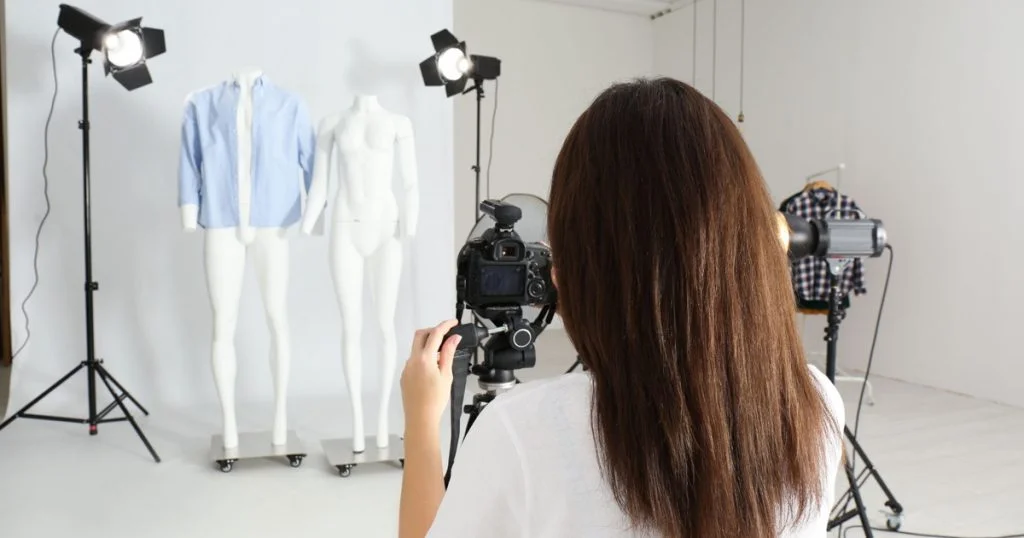
An online product photographer can adapt approaches for digital shopping environments. Clothing needs accurate colours, natural textures, and flattering presentation for customers. Professional images for clothing brands should preserve fabric detail consistently. Furniture photography should communicate dimensions, scale, materials, and placement clearly visually. Lifestyle scenes help customers understand how larger products function within spaces. Beauty products often benefit from polished closeups and elegant styling choices. Handmade goods need photography highlighting craftsmanship, uniqueness, and tactile qualities effectively. Every approach should reflect the brand’s established personality and customer expectations. Packaging images should reveal labels, finishes, and important information clearly.
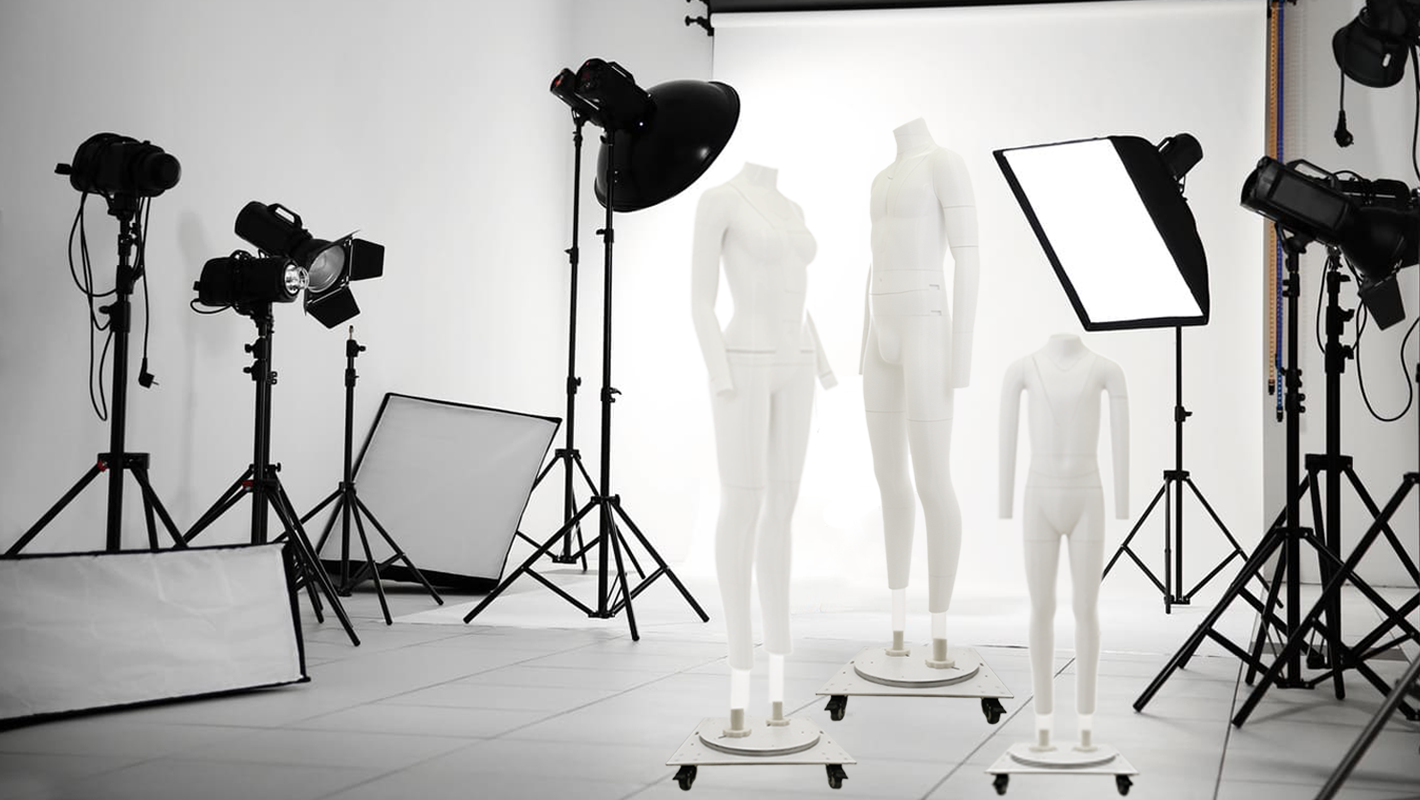
A commercial product photographer can develop consistent systems across product ranges. Commercial ecommerce photography prioritises clarity, consistency, accuracy, and efficient production processes. Commercial ecommerce photographers understand marketplace requirements alongside branding considerations carefully. They create photos for e-commerce platforms using suitable formats consistently. White-background images work particularly well when marketplaces demand standardised product presentations. Creative solutions become valuable when products require emotional or contextual storytelling. Complex products may need several angles showing important features clearly. Technical products benefit from diagrams, details, and functional demonstrations where appropriate. Collection photography should maintain consistent spacing, framing, and visual hierarchy throughout.